Why Your Hair Density Is Reducing Even Without Hair Fall
Introduction
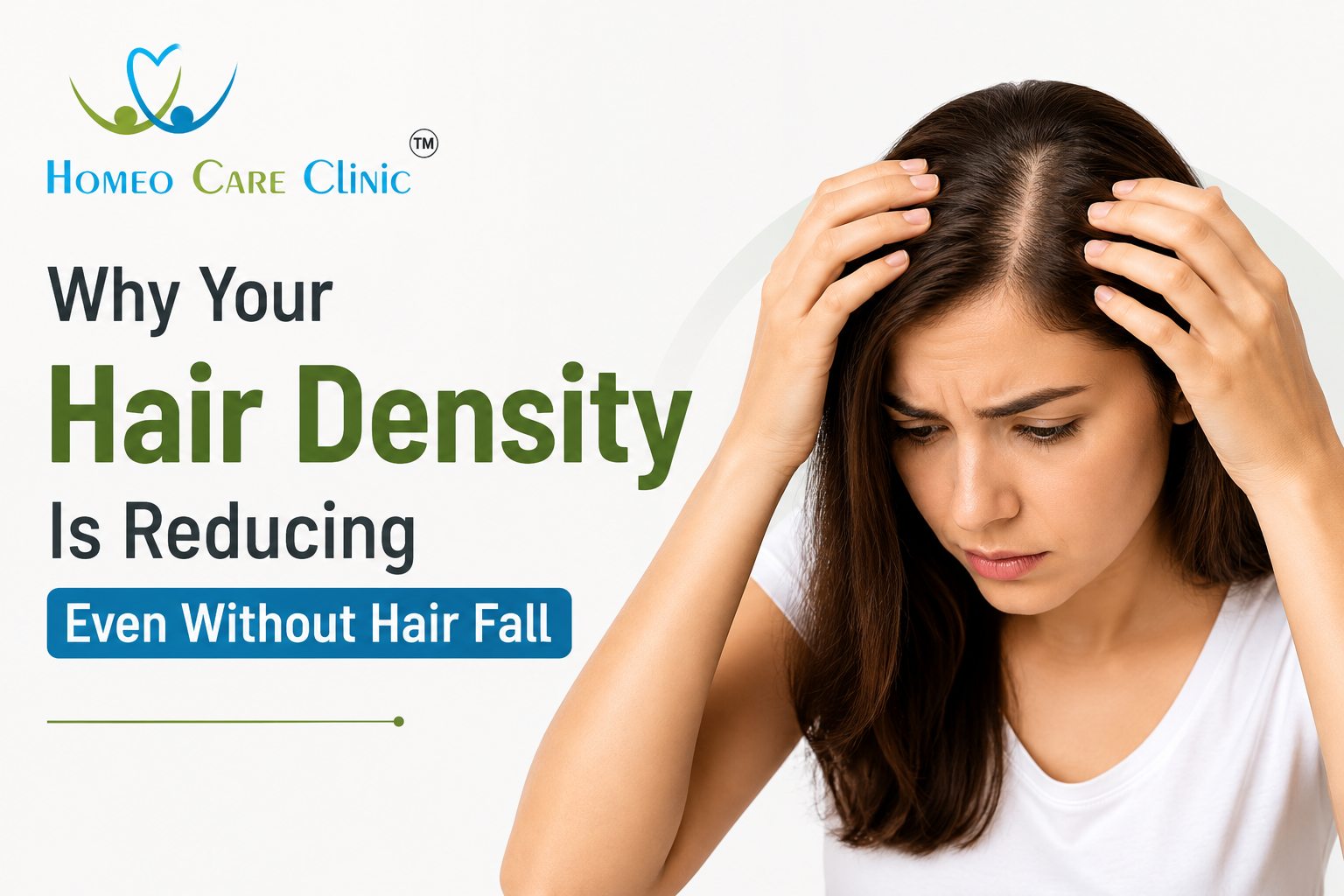
Have you noticed that your ponytail feels thinner, your scalp is becoming more visible, or your hair lacks its usual volume—even though you aren’t experiencing excessive hair fall?
You’re not alone. Hair density loss is becoming increasingly common among both men and women. Many people assume that visible hair thinning always means excessive hair shedding, but that’s not necessarily true. In many cases, hair density decreases gradually because individual hair strands become finer or hair follicles produce weaker hair over time.
Understanding the underlying cause is the first step toward restoring healthier, fuller-looking hair. In this article, we’ll explore why hair density reduces even without noticeable hair fall, what causes it, available treatment options, and practical tips to improve hair health.
What Is Hair Density?
Hair density refers to the number of hair strands growing per square inch (or square centimeter) of your scalp. High hair density means more hair follicles are actively producing healthy strands, while low hair density indicates fewer or thinner hairs, making the scalp appear more visible.
It’s important to understand that:
- Hair density is different from hair thickness.
- You may have thick individual hair strands but low hair density.
- Hair density can decrease even when daily hair shedding appears normal.
Why Is Your Hair Density Reducing Without Hair Fall?
Hair density can decrease without obvious hair loss due to several underlying factors.
1. Hair Follicle Miniaturization
Over time, hair follicles may shrink, producing finer and shorter hair strands. This is commonly associated with androgenetic alopecia (pattern hair loss).
2. Hormonal Imbalance
Changes in hormone levels can affect hair growth.
Common causes include:
- PCOS
- Menopause
- Pregnancy and postpartum changes
- Thyroid disorders
- Elevated androgen levels
3. Nutritional Deficiencies
Healthy hair requires essential nutrients.
Deficiencies in the following may contribute to reduced hair density:
- Iron
- Vitamin D
- Vitamin B12
- Zinc
- Protein
- Biotin (only if deficient)
4. Chronic Stress
Long-term physical or emotional stress can disrupt the normal hair growth cycle, causing hair follicles to produce thinner hair over time.
5. Aging
As we age, hair follicles naturally become less active, leading to reduced hair volume and slower hair growth.
6. Genetics
Family history plays a significant role in determining hair density and susceptibility to pattern hair thinning.
7. Poor Scalp Health
An unhealthy scalp can affect follicle function.
Common scalp conditions include:
- Excess oil
- Dandruff
- Scalp inflammation
- Seborrheic dermatitis
8. Heat Styling and Chemical Treatments
Frequent use of:
- Hair straighteners
- Curling irons
- Hair coloring
- Bleaching
- Chemical smoothening
can weaken hair shafts and contribute to reduced volume.
Signs of Reduced Hair Density
Hair density loss often develops gradually.
Common signs include:
- Wider hair parting
- Thinner ponytail
- Visible scalp
- Reduced hair volume
- Fine hair strands
- Difficulty styling hair
- Less fullness around the crown
- Hair appears flat despite normal washing
When Should You Consult a Hair Specialist?
Seek professional advice if you notice:
- Progressive hair thinning over several months
- Visible scalp
- Family history of hair loss
- Sudden change in hair texture
- Patchy thinning
- Hair thinning accompanied by fatigue or weight changes
- Persistent scalp itching or inflammation
Early diagnosis often leads to better treatment outcomes.
How Is Hair Density Loss Diagnosed?
A dermatologist or trichologist may recommend:
- Physical scalp examination
- Hair pull test
- Dermoscopy (trichoscopy)
- Blood tests for nutritional deficiencies or thyroid function
- Hormonal evaluation (if indicated)
- Medical history review
These assessments help identify the underlying cause and guide treatment.
Can Hair Density Be Restored?
In many cases, yes. The outcome depends on the cause and how early treatment begins. Hair density often improves when underlying issues—such as nutritional deficiencies, hormonal imbalances, or scalp conditions—are addressed.
However, if hair follicles have become permanently inactive, complete restoration may not be possible. Early intervention offers the best chance of preserving and improving hair density.
Treatment Options for Hair Density Loss
Treatment should always be tailored to the underlying cause.
Medical Treatments
A dermatologist may recommend:
- Topical medications (such as minoxidil, when appropriate)
- Oral medications for specific conditions
- Hormonal treatment (if indicated)
- Nutritional supplementation when deficiencies are confirmed
PRP (Platelet-Rich Plasma) Therapy
PRP therapy uses the patient’s own blood components to stimulate hair follicles and may help improve hair density in selected individuals.
Mesotherapy
Mesotherapy involves injecting vitamins, minerals, and other nutrients into the scalp to support hair health. Evidence for effectiveness varies, and it should be discussed with a qualified specialist.
Nutritional Support
A balanced diet rich in:
- Protein
- Iron
- Omega-3 fatty acids
- Zinc
- Vitamin D
- Leafy vegetables
- Fruits
- Nuts and seeds
can support healthy hair growth.
Scalp Care
Maintaining a healthy scalp includes:
- Gentle cleansing
- Treating dandruff or scalp inflammation
- Avoiding harsh chemicals
- Using suitable hair care products
Tips to Improve Hair Density Naturally
- Eat a protein-rich diet.
- Manage stress through yoga, meditation, or regular exercise.
- Get adequate sleep.
- Avoid excessive heat styling.
- Massage your scalp gently.
- Stay hydrated.
- Protect your hair from UV damage.
- Avoid smoking.
- Treat scalp conditions promptly.
- Follow your dermatologist’s treatment plan consistently.
Can Hair Density Loss Be Prevented?
While genetics and aging cannot be prevented, you can reduce the risk of hair density loss by:
- Maintaining a healthy lifestyle
- Correcting nutritional deficiencies
- Managing chronic stress
- Treating hormonal disorders
- Practicing good scalp hygiene
- Avoiding excessive chemical treatments
- Seeking medical advice early when you notice thinning
Frequently Asked Questions (FAQs)
1. Can hair density reduce without noticeable hair fall?
Yes. Hair follicles may produce finer and thinner hair strands without causing excessive daily shedding, leading to a gradual reduction in overall hair density.
2. What causes reduced hair density?
Common causes include genetics, hormonal imbalance, nutritional deficiencies, aging, chronic stress, scalp disorders, and pattern hair loss.
3. Is hair density loss reversible?
It depends on the cause. Many cases improve with appropriate treatment, especially when addressed early. Permanent follicle damage may limit regrowth.
4. How can I increase my hair density naturally?
A healthy diet, proper scalp care, stress management, quality sleep, and avoiding excessive heat or chemical treatments can support healthier hair growth.
5. Which vitamin deficiency causes hair thinning?
Iron, Vitamin D, Vitamin B12, Zinc, and protein deficiencies are among the most common nutritional factors associated with hair thinning.
6. Is reduced hair density a sign of baldness?
Not always. Reduced density may be an early sign of pattern hair loss, but it can also result from temporary or treatable conditions.
7. When should I see a dermatologist?
If your hair continues to thin, your scalp becomes more visible, or thinning is associated with other symptoms such as fatigue, hormonal changes, or scalp irritation, consult a dermatologist for evaluation.
8. Does stress reduce hair density?
Yes. Chronic stress can disrupt the hair growth cycle and contribute to thinning or reduced hair density over time.
Conclusion
Reduced hair density can be concerning, especially when there is no obvious increase in hair fall. In many cases, thinning hair results from gradual changes in hair follicle function rather than excessive shedding. Factors such as genetics, hormonal changes, nutritional deficiencies, stress, and scalp health all play an important role.
The good news is that early diagnosis and personalized treatment can often slow progression and improve hair density. If you notice persistent thinning or visible scalp changes, consult a qualified dermatologist or hair specialist for a proper evaluation and tailored treatment plan.