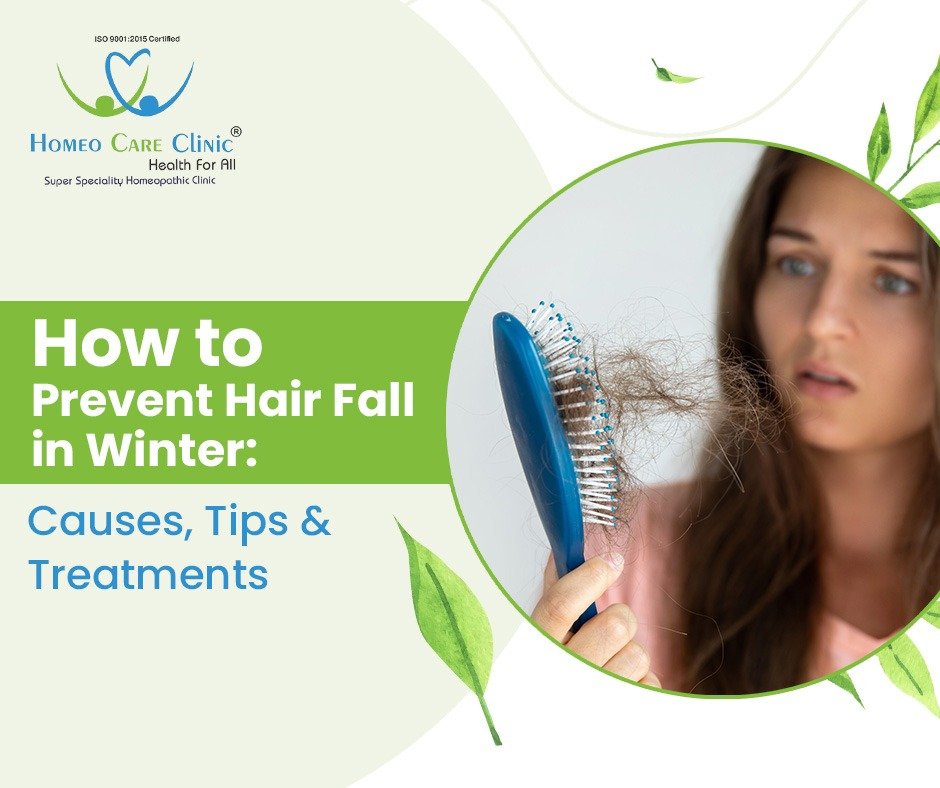
How to Prevent Hair Fall in Winter: Causes, Tips & Treatments
Winter is the season of sparkle, celebrations and the season of cozy sweaters and hot chocolate, but it also brings with it an unwanted guest – hair fall. This seasonal woe can affect your scalp and make it feel uncomfortable, dry and itchy. If you are wondering why your hair falls more in winter or how to avoid it, you’re not alone. In this blog, let’s explore the causes, symptoms and how to prevent hair fall in winter.
Is Hair Fall Common in Winter?
While it is normal for us to shed around 50-100 hairs daily, we might spot more hair fall than usual. Hair-fall during winter can be attributed to a combination of factors. The cold and chilly weather strips moisture from the scalp, leading to dryness and weakening of hair. Indoor heating worsens the problem by creating a dry environment. Additionally, reduced exposure to sunlight during winter leads to lower levels of vitamin D, which is essential for hair health. Furthermore, stress, weak immune system, lack of hydration and other factors can also impact hair follicles and cause hair-fall during winter. Understanding the impact the winter weather brings on our hair, it is crucial in order to maintain luscious and healthy hair all year round.
Reasons for Hair fall in Winter in Women & Hair fall in winter in men
There are a variety of reasons for hair fall in winter in women & some of these include the following:
- Environmental Stress: During winter, both indoors and outdoors, the air is generally drier, which tends to be drying on the scalp. The scalp becomes dry and irritated, making the hair follicles weak and brittle, leading to breakage. The cold temperatures also create an ideal environment for dandruff-causing germs to thrive. If you neglect it, dandruff makes the scalp itchy, irritated, and eventually leads to hair loss.
- Indoor heating: Central heating systems work diligently to keep us warm during the winter chill. However, this warmth comes at a cost – the indoor heating depletes the air of moisture. As a result, your hair is left dry, brittle, and more susceptible to damage.
- Change in Hormones: A change in hormones, too, can impact the growth cycle of the hair, which can in turn lead to an increase in hair fall. Hormonal imbalances caused by stress can disrupt the hair growth cycle, resulting in temporary shedding or thinning.
- Poor Scalp Hygiene: Washing the hair less in winter can lead to a buildup of dirt, oil and microbes, making your dandruff worse. Washing your hair with hot water and then stepping out in the cold can confuse your scalp’s oil balance, leading to dryness and flaking.
- Reduced sunlight exposure: With shorter days and limited sunlight exposure, your hair may experience a decline in Vitamin D levels. Vitamin D is crucial for robust hair growth, and the reduction in sunlight during winter can impact the overall health of your hair.
- Head Coverings: While winter accessories like hats and scarves provide warmth and comfort, their frequent use can lead to friction and static. This friction contributes to hair breakage, adding to the challenges your hair faces during the colder months.
How to Prevent Hair Fall in Winter
Here are some tips to help you prevent hair fall in winter:
- Choose a moisturizing anti-dandruff shampoo: Look for two important things in your winter shampoo: that it is effective against hair fall and nourishes your scalp from the dry effect the cold weather can have.
- Wash your hair frequently: Wash your hair in lukewarm water 3 times a week or more. The more you use your anti-dandruff shampoo the better effect it will have on your scalp.
- Avoid things that can make your scalp dry: Indoor air can make the scalp dry. Instead use a humidifier to keep your scalp moisturized.
- Wear breathable hats: while wearing a hat can help to keep you warm, it is important to choose one that is made from breathable fabrics that allow air to flow.
- Stay hydrated: Hydration is very important for our overall health. Drink plenty of water, around 8-10 glasses daily, to prevent dehydration. Sipping on hot teas, juices, and energy drinks is an interesting way to keep hydration levels high.
- Don’t wash hair with hot water: It gets so cold sometimes during the winter months that all we want to do is soak ourselves in hot baths or hot showers. But beware! What gives us comfort is not always the best. Too much heat can strip your hair of its essential moisture. Always wash your hair with lukewarm water to protect your hair’s moisture balance.
- Avoid using heat-styling tools: Avoid heat-styling hair tools like blow dryers, curlers, and straighteners. The heat from these tools can remove the natural oils from your hair which leaves it more vulnerable to breakage. For best results, try to lessen the use of heat styling tools & style with heat before applying a heat protectant on the hair. A good heat protectant works as a shield which reduces the potential hair damage & keeps your hair looking more lustrous.
- Don’t go outside with wet hair: Wet hair is more susceptible to breakage in cold temperatures. Ensure your hair is completely dry before braving the winter chill. Consider drying it thoroughly indoors or using protective styles to shield it from the cold.
- Stress management: Stressful circumstances may cause excessive sweating. Practice stress-reduction strategies like meditation, exercise, deep breathing, or engaging in hobbies to help lower stress levels, which can help the health of your hair inadvertently.
- Oil your hair twice a week: In the winter, nothing works better for your hair than a good oil massage. Oil massages are not only very calming but also an excellent technique to stop hair loss in the winter. Olive oil and almond oil are excellent hair oils because they give your hair and scalp the essential vitamins and fatty acids they need to fend off the cold. You may also give jojoba oil a try; it’s a fantastic hair moisturizer.
- Maintain a balanced diet: Maintaining a balanced diet with adequate protein and micronutrients is important for hair growth. Include a variety of nutrient-rich foods in your diet, such as fruits and vegetables, lean proteins, and healthy fats. Hair health requires nutrients such as vitamins A, C, D, and E, biotin, and iron. Consult a healthcare professional or a nutritionist for personalized dietary advice.
How to Prevent Hair Fall in Winter Naturally
Here are some natural remedies for winter you can follow at home to help moisturize your hair and prevent hair fall during winter:
- Yogurt & Lemon Juice – Squeeze a few drops (about a teaspoon) into a bowl of yogurt and mix. Apply the mask on your scalp till the mid-lengths. Leave for half an hour, then rinse. This mask will help moisturize the scalp and reduce hair fall by acting as a natural conditioner.
- Yogurt & Neem Leaves – Crush a few neem leaves and add the juice to a bowl of yogurt. Mix well and apply the mask from your scalp till mid lengths. Leave for half an hour, then rinse. Neem is antifungal and helps fight fungal infections on the scalp caused by dandruff. Yoghurt conditions and moisturizes your hair.
- Neem Leaves & Coconut Oil – Take a few neem leaves and boil them with a bowl of coconut oil, enough to infuse. Then, strain the oil and apply from your scalp till mid lengths while still warm. Give yourself a nice massage. Leave for a minimum of two hours before rinsing. Neem is antifungal and acts against fungus on the scalp caused by dandruff. It can prevent an itchy and smelly scalp. Coconut oil moisturizes the scalp and strands and helps reduce hair fall. The massage will help you relax as well as make the oil seep better in the scalp and strands.
Conclusion
Winter can make your hair fall worse, making you feel uncomfortable and affect your confidence. You can manage hair fall in winter by taking mild hot showers, using oils along with the right anti-hair fall shampoos, wearing breathable hats and by avoiding excessive use of indoor heating. scratching your scalp. At Homeocare Clinic, we are dedicated to providing our patients with the best quality and personalized treatment plans tailored to fulfill their specific requirements. Our experienced team of dermatologists offers safe, natural, and highly effective solutions to promote the regrowth of our patient’s hair. Contact us now for the best hair treatment in Pune.