How Tea Impacts Hair Loss
Tea ranks among the world’s most widely consumed liquids—refreshing, soothing, and often a daily staple. However, if you consider the effects tea consumption may have on your hairstyles or overall hair growth, the following questions arise: Does tea consumption affect hair growth? Can tea cause hair loss?
“At Hair PRP Treatment Pune, we try to differentiate between facts and fiction and answer your questions in an evidence-based manner,” In this article, we will look into many questions related to tea and hair health that will allow you to enjoy your favourite cuppa with confidence.
Can Tea Consumption Cause Hair Loss?
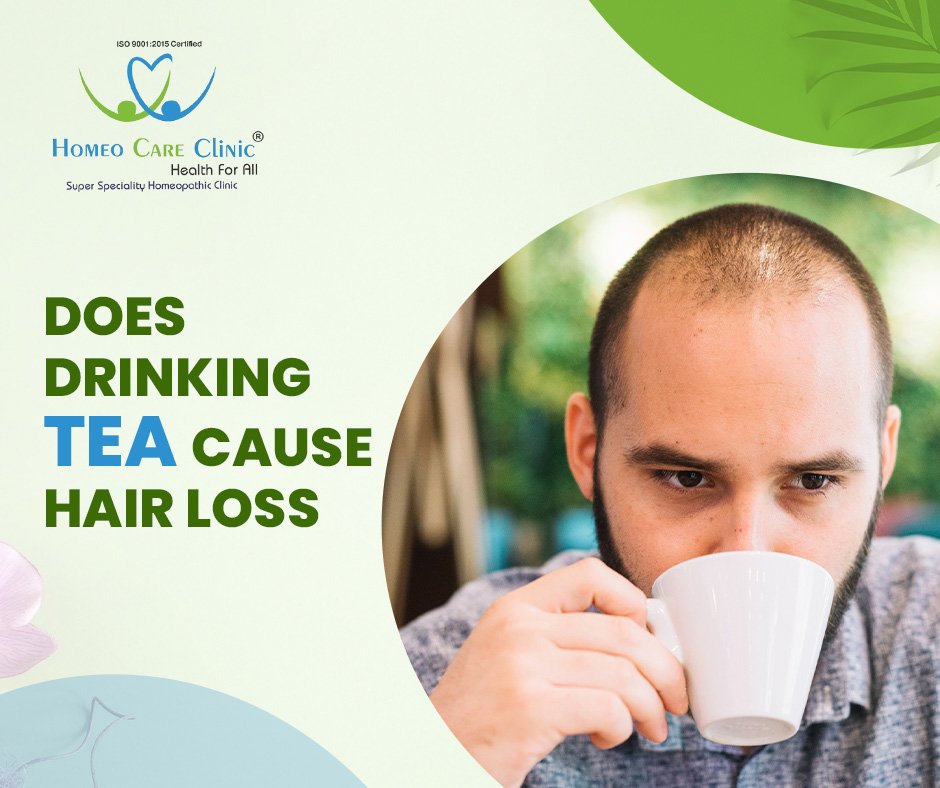
One question we get asked quite a bit is: Does drinking tea cause hair loss?
The quick answer to your question is: no. The majority of teas do not trigger hair loss. In fact, there are teas out there that could actually promote healthy hair because of their antioxidant content.
However, aspects such as stress, hormonal imbalance, poor diet, genes, scalp condition, and health issues contribute far more than just consuming tea towards hair loss.
Green Tea and Hair Loss
It is not uncommon to come across information regarding green tea and hair loss. In fact, green tea has several compounds dubbed polyphenols and a high concentration of epigallocatechin gallate, also abbreviated as EGCG. These compounds are known to exhibit antioxidant and anti-inflammatory properties.
Apparently, these agents may exert a supplementary function in stimulating hair growth by:
- Inflammation around the hair follicles.
- Enhancing Blood Circulation to the Scalp
- Blocking the DHT hormone (which contributes to thinning hair).
While consuming green tea will not solve the problem of hair loss, the properties present in it may be combined with other ways of hair care.
Does Tea Make You Lose Hair? An Examination of Evidence
Whenever people ask about whether tea leads to hair loss, they might just be responding to some misconceptions. Tea doesn’t contain any ingredients that make hair fall out.
Nonetheless, there are two conditions wherein tea could affect the health of one’s hair indirectly:
-
Too Much Caffeine
Over drinking teas very high in caffeine, especially multiple cups a day, may cause a stressful effect on your adrenal glands, which may have an indirect effect on hair loss if your body is already under a stressful condition.
-
Nutrient Absorption
Certain teas contain tannins that can lower iron absorption. Since iron deficiency leads to hair loss in some people, it is therefore advisable not to take tea with iron-rich foods.
Therefore, although tea is not a contributing cause for hair loss directly, associations with its use could be interacting with other factors affecting hair health.
Spearmint Tea and Hair Loss: Any Connection?
Spearmint tea has long been known for its comforting taste and ability to ease digestion. There has been no medical evidence found to support the claim that spearmint tea Promotes hair loss. To the contrary, some clinical research has found spearmint to be effective in regulating hormonal imbalances, especially seen in conditions such as PCOS.
Still, it is a matter of moderation. Sometimes, if you notice any change in your hair after introducing any component into your food habits, it is a good idea to consult a professional.
Can Milk Tea Cause Hair Loss?
Milk tea, as in black tea with milk, chai, bubble tea, and so on, is by itself not responsible for causing hair fall. But:
- High sugar and calorie content in some milk tea drinks may have an indirect effect on overall health.
- A poor diet and high sugar intake can also affect hair quality by causing inflammation and stress to the body.
Having an occasional milk tea dessert will do little, if any, damage to your hair, although you must ensure a balance of nutritious food.
When Tea Can Support Hair Health?
While tea is not a hair loss remedy on its own, the following types may benefit your hair health in general when adopted as a balanced lifestyle choice:
- Green Tea – For antioxidants and circulation
- Herbal teas: Net tea, Rosemary tea – for scalp health
- Spearmint Tea – For Hormonal Balance
Such teas could be coupled with other methods of promoting hair wellness, such as diet, stress control, scalp treatments, and professional hair treatments.
When to Seek Professional Help
A person should consider in the event that you notice thinning or excessive loss or inflammation of your hair on the scalp, consider consulting a professional hair specialist. The loss of hair can be caused by a combination of factors like genetic predisposition, hormones, diet, stress, or certain medical conditions. At Hair PRP Treatment Pune, after understanding your specific pattern of hair loss, scalp, and lifestyle, we suggest treatment options according to your requirements, whether it is PRP treatment, diet advice, medications, or their combinations.
Final Thoughts
One thing should be noted that most tea drinks such as green tea, spearmint tea drinks, and even milk tea are non-hair loss drinks if consumed moderately. Some teas may hold beneficial components that could complement your hair care practice because they contribute positively towards a good well-being. Keep in mind that tea consumption is just one part of the entire picture. Another thing to consider is the fact that the health of one’s hair depends on a number of factors. If you are experiencing some concerns about hair loss, consulting a specialist will definitely be useful. Drink slowly, live well, and take care of your hair as it deserves.