
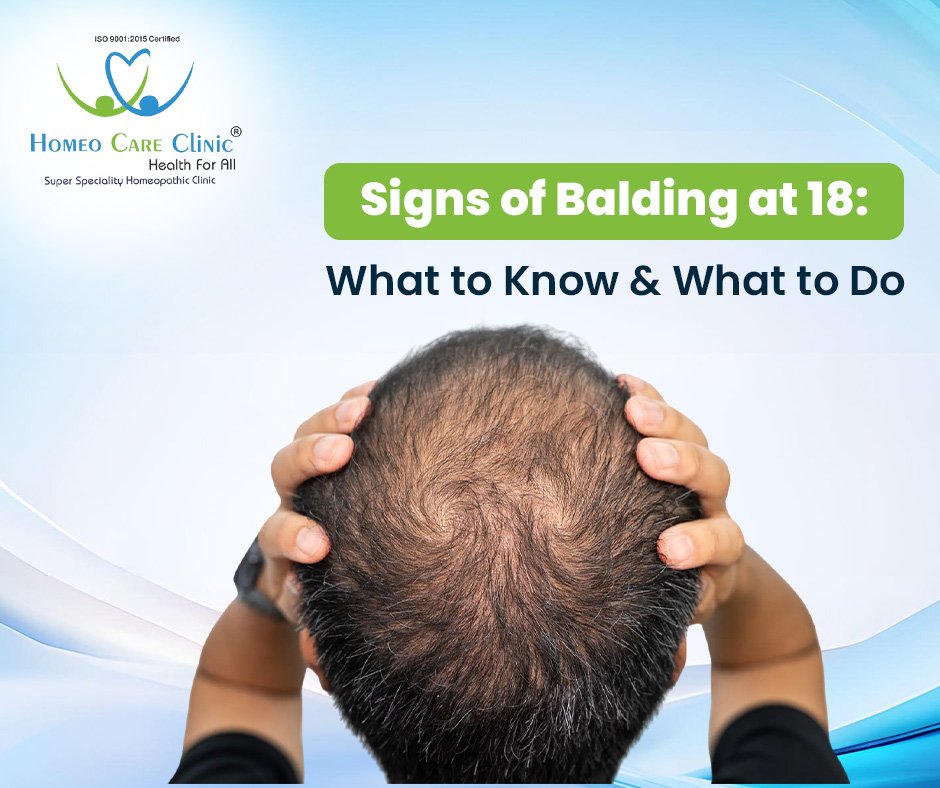
Signs of Balding at 18: What to Know & What to Do
Hair fall is a common concern that affects both men and women of all ages. But at 18, it can make you feel like you’re losing a part of yourself, significantly impacting your confidence and self-esteem. Many teenagers and young adults experience early signs of balding, thinning hair, or receding hairlines, which can significantly impact their self-esteem. If you have been noticing more hair falling out or experiencing a receding hairline at 18, you’re not alone. In this blog, let’s understand the signs of balding at 18, what causes hair fall at 18, and how to prevent it.
Is Hair Fall at 18 Normal?
Experiencing hair fall at 18 can feel distressing and emotionally challenging, but it is more common than we realize. Global research shows that around 16% of men between the ages of 18 and 29 experience noticeable hair thinning. Teenage hair loss can result from a variety of factors, including hormonal changes and poor diet. These factors can disrupt the hair growth cycle, which leads to noticeable thinning or signs of balding at 18. In males, hair loss may start with a receding hairline or thinning at the crown. In females, it often presents as diffuse thinning, which affects the overall hair density rather than creating distinct bald spots. While some hair loss in teenagers can be normal, excessive shedding indicates a need for a professional evaluation. Consult an expert to determine whether the cause of hair fall is temporary, such as stress, or permanent, like androgenetic alopecia.
Causes of hair fall at 18
It is important to understand the cause of hair fall before choosing a hair loss treatment plan. Some common causes of hair fall are:
- Hormonal imbalances: Fluctuations in hormones during puberty can trigger hair thinning or balding in teenagers. An androgen hormone called DHT can also impact the hair growth cycle, resulting in male-pattern baldness.
- Nutritional deficiencies: Lack of essential vitamins and minerals in the body, like Iron, zinc, biotin, and Vitamin D, can weaken your hair from the roots.
- Stress and lifestyle factors: Physical or emotional stress can cause hair shedding. Poor lifestyle habits like poor sleep, unhealthy diet, or sleeping on dirty pillows and bedsheets can affect the health of your hair.
- Genetics: A family history of hair loss, also known as male or female pattern baldness, is the most common cause of hair fall and can cause premature balding at 18.
- Medical Issues: Health issues like anemia, autoimmune diseases, scalp infections, or dandruff can often cause hair loss.
- Hair Styling Habits: Excessive use of chemical-based hair products, heat from blow-dryers or straighteners, or tight hairstyles can severely damage your hair and cause breakage.
Signs of balding at 18
Identifying signs of balding at 18 can help prevent baldness before it’s too late. Some signs to watch out for are:
- Slower hair growth
- An increase in hair shedding
- A decrease in hair volume
- Thinning hair
- Frail, weak hairs that break easily, particularly around the temples and crown
- A receding hairline (which, in teenagers, should not be confused with the natural transition from a young hairline to a mature adult hairline)
- A patchy, uneven hairline that may even look like your hairline is receding on one side
- The start of hair loss around the temples, causing the hairline to recede around them
- The quintessential ‘M’ shaped hairline begins to form as temple hair loss worsens
- The start of hair loss at the crown (the scalp’s vertex at the top of your head)
- Increased scalp sensitivity and likelihood of sunburn
Signs of Premature Balding
Understanding the signs of premature balding is a step towards finding a solution. Here are some subtle indications that may signal the onset of balding:
- Gradual Thinning on Top of the Head: One of the most common signs of premature balding is an increase in hair thinning and hair loss, specifically on the crown of your head. This gradual thinning is often related to a receding hairline and increasing bald spots.
- Receding Hairline: A receding hairline is one of the earliest and the most common signs of hair loss. It refers to the thinning or loss of hair on the scalp, especially at the front and tip of the scalp, starting at the temple.
- Loose Hairs on Pillow, Shower Drain, or Brush: Excessive hair shedding is often one of the first clues that balding has begun. Seeing noticeably more loose hairs left behind on your pillowcase, in the shower drain, hairbrush, or comb may indicate an issue.
- Changes in Hair Texture: Early miniaturization of the follicles during male or female pattern baldness can cause the remaining hair to start feeling thinner and finer in texture. As the hairs grow weaker, you may notice them looking less vibrant.
- Diffused Thinning All Over Scalp: In some cases of premature balding, shedding progresses fairly evenly all over the scalp. There may not be one distinct balding focal point. Instead, you notice less density overall, as if the volume is turned down.
How to stop hair fall at 18
Here are some tips to help you stop and prevent hair fall at 18:
- Stress management: Practice stress-reduction strategies like meditation, deep breathing, or engaging in hobbies to help lower stress levels, which can help the health of your hair inadvertently. Deep breathing activates the body’s natural relaxation response, thus reducing stress.
- Maintain a balanced diet: Maintaining a balanced diet with adequate protein and micronutrients is important for hair growth. Include a variety of nutrient-rich foods in your diet, such as fruits and vegetables, lean proteins, and healthy fats. Hair health requires nutrients such as vitamins A, C, D, and E, biotin, and iron. Consult a healthcare professional or a nutritionist for personalized dietary advice.
- Stay hydrated: Hydration is very important for our overall health, especially hair health. Drink plenty of water, around 8-10 glasses daily, to prevent dehydration. Insufficient hydration causes hair shafts to become fragile, leading to breakage and split ends.
- Exercise Regularly: Physical activity releases endorphins that boost mood and reduce stress. Moderate exercise, yoga, or meditation can help lower cortisol levels while also improving overall blood circulation for healthy hair growth.
- Gently massage the scalp: Regular scalp massages with soothing and nourishing hair oils stimulate blood circulation to the hair follicles, improving hair growth. It also helps you to instantly relax and reduce stress.
- Take Gentle care of the hair: Avoid tight hairstyles that can cause tension and traction on the hair follicles, leading to hair breakage and damage. Use gentle and mild shampoos, conditioners, and masks that are suited for your hair type and reduce getting chemical treatments that can damage your hair.
- Consider supplements for hair health: Certain supplements may help with hair growth, especially if you have nutrient deficiencies. Biotin, zinc, and iron supplements can support hair health when levels are low.
Conclusion
Hair fall is a common concern that affects both men and women. It can make you feel like you’re losing a part of yourself, significantly impacting your confidence and self-esteem – especially at 18. With the right hair fall treatment in Pune, you can restore your hair to become healthy and shiny like before and regain your confidence. At Homeocare Clinic, we are dedicated to providing our patients with the best quality and personalized treatment plans tailored to fulfill their specific requirements. Our experienced team of dermatologists offers safe, natural, and highly effective solutions to promote the regrowth of our patients’ hair. Contact us now for the best hair treatment in Pune.