
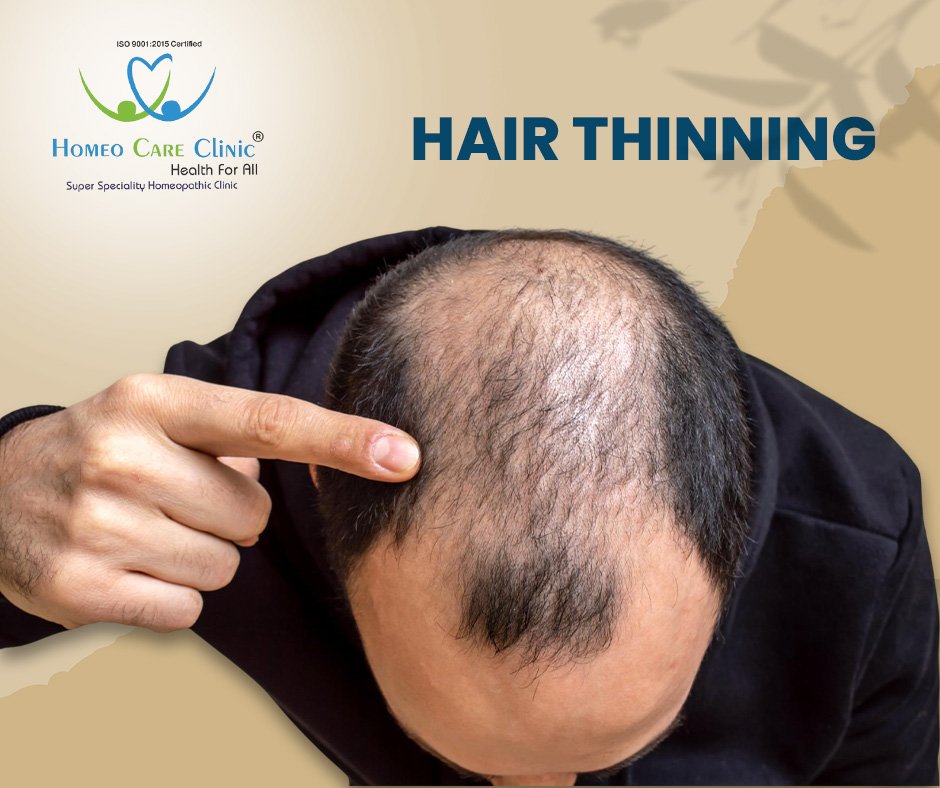
Hair Thinning: Causes, Signs & What You Can Do About It
Hair isn’t just something that sits on your head — it’s wrapped up in how you see yourself. So, when you start seeing more scalp or your ponytail feels thinner, it’s easy to feel worried or even a little panicked. The thing is, thinning hair happens to a lot of people, and it doesn’t always mean you’re losing it for good. Let’s get into what hair thinning really means, why it happens, and what you can actually do, including some newer treatments like PRP.
What Is Hair Thinning?
Thinning hair doesn’t usually come out in handfuls. Instead, your hair slowly loses volume and density. You might spot a wider part, a more visible scalp, or hair that just feels limp and fine. Maybe your ponytail seems skinnier than it used to. These changes tend to creep up on you. It’s not like the dramatic shedding some people get after illness or stress — with thinning, each hair strand gets finer and weaker over time, mostly because hair follicles start shrinking.
What Causes Hair Thinning?
There’s rarely just one reason. Usually, a few things pile up and tip the balance.
-
Genetics — The Big One
If thinning or pattern baldness runs in your family, there’s a good chance your genes are involved. This type of hair loss, called androgenetic alopecia, often comes down to sensitivity to a hormone called DHT.
-
Hormone Changes
Hormones mess with hair for both men and women. DHT can shrink hair follicles in men. For women, pregnancy, menopause, or conditions like PCOS can all throw hormones off and trigger thinning.
-
Gaps in Nutrition
Your hair needs nutrients like iron, zinc, biotin, protein, and a bunch of vitamins to stay strong. If your diet’s missing these, your hair starts to show it — getting brittle, losing fullness, or thinning out.
-
Stress & Lifestyle
Chronic stress, bad sleep, or always being on edge? That can push more of your hair into the “resting” phase — so you get more shedding and slower regrowth.
-
Scalp and Hair Habits
Things like fungal issues, dandruff, too much heat styling, harsh chemicals, or tight ponytails can all irritate your scalp and weaken new hair.
How Thinning Looks in Men vs. Women
Thinning doesn’t always show up the same way:
- Men usually notice a receding hairline or bald spots at the crown and temples. Sometimes it starts early — even in their 20s.
- Women tend to see diffuse thinning across the top of the head, a wider part, and often link it to hormone changes or long-term stress.
The reasons behind it can overlap, though, so it really helps to get a personalized plan.
Can You Treat Hair Thinning? Absolutely.
Wondering what you can do? Here’s what’s working for a lot of people right now.
-
PRP (Platelet-Rich Plasma) Therapy
PRP uses your own blood, spun to concentrate the growth factors, and injects it right into your scalp. It wakes up sluggish hair follicles, helps hair grow thicker, and boosts scalp health. Most people need several treatments, but a lot see their hair slowly getting fuller over a few months.
-
Topical & Medical Treatments
Things like minoxidil can help wake up dormant follicles and kick-start new growth. For guys with genetic thinning, meds that block DHT can make a real difference, especially combined with other treatments.
-
Nutrition & Lifestyle
Good food, less stress, better sleep, and treating your hair gently all support whatever else you try. These basics matter more than people think.
A Few Tips Before You Start
Don’t wait until things get really bad — it’s easier to keep hair than get it back. Talk to a specialist who can look at your scalp, hormones, and nutrition. Stick with the plan — hair grows slowly, and real change usually takes a few months.
Your Hair Isn’t Gone — It Just Needs Some Help
Thinning hair is your body’s way of saying something’s up — maybe with hormones, your diet, or your daily habits. The good news is, with treatments like PRP, smart self-care, and some expert advice, lots of people see real changes — not just in their hair, but in their confidence too. You’re definitely not alone in this, and there are more effective options out there than ever before.