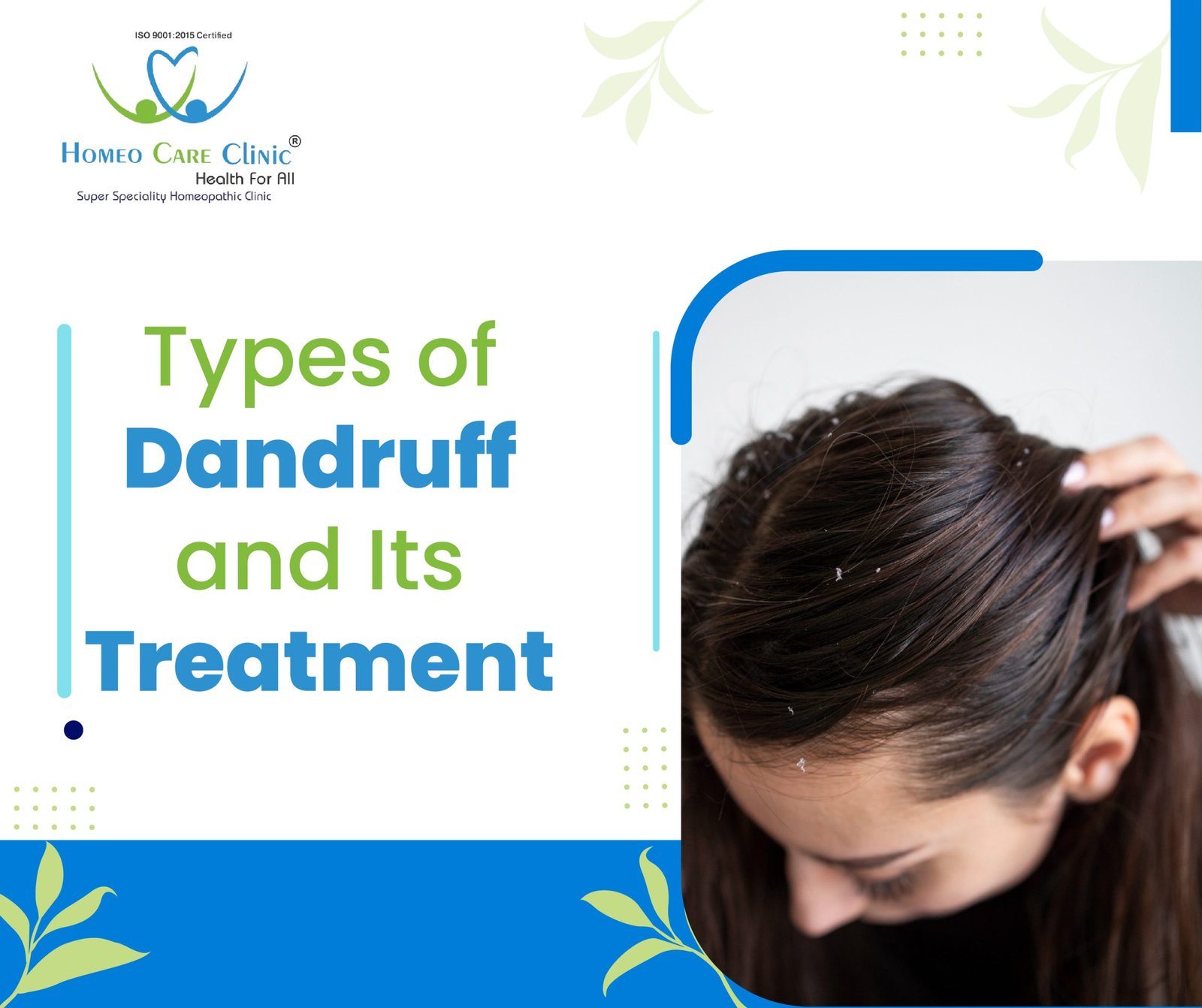
Types of Dandruff and Its Treatment
Let’s be honest—almost everyone deals with dandruff at some point, but nobody wants to talk about it. Those little white flakes on your shoulders, the itch that won’t go away, and the way you start avoiding your favorite black shirt… it’s frustrating.
But here’s the thing: not all dandruff is the same. Figuring out which type you have is the real game-changer—because what helps one person’s scalp might make someone else’s worse.
At HairprpTreatment Pune, we see a lot of people who’ve bounced from shampoo to shampoo with no luck, just because they didn’t know what they were really dealing with. Let’s clear things up.
-
Dry Skin Dandruff
This is what most people picture when they think of dandruff. It usually shows up in winter.
What to look for:
– Tiny, white, dry flakes
– Itchy scalp
– Not much oil
– Gets worse in cold weather
It’s really just your scalp crying out for moisture.
What helps:
– Switch to a gentle, hydrating anti-dandruff shampoo
– Skip super-hot showers
– Lightly oil your scalp before you wash it
– Focus on keeping your scalp hydrated
Ignore it, and it’ll only get itchier and more irritated.
-
Oily Scalp Dandruff
This one’s trickier to get rid of.
What you’ll notice:
– Yellowish greasy flakes
– Oily scalp
– Itching that won’t go away
– Flakes stick to your hair
It is usually brought on by too much oil (sebum) and sometimes a little bit of fungal growth.
What works?
– Medicated anti-fungal shampoos
– Wash your scalp often
– Don’t use oils – they’ll make it worse
– Keep your scalp clean
If dandruff persists, dandruff treatment in Pune can get to the root cause instead of simply treating the symptoms.
-
Fungal Dandruff (Seborrheic Dermatitis)
This is the more serious kind.
What stands out?
– Red, inflamed scalp
– Thick, yellow scales
– Really intense itching
– Sometimes spreads to your eyebrows or behind your ears
This isn’t something you should just try to fix with over-the-counter stuff. It needs a doctor’s care. At Hair Solutions at Homeo Care Clinic, we take a close look at your scalp and come up with a treatment that targets the real problem.
-
Product-Build-Up Dandruff
Sometimes the culprit isn’t your scalp at all—it’s your styling routine. Heavy sprays, serums, dry shampoos, or chemicals can leave a residue that resembles dandruff.
What to Notice – What to Do
– Flakes appear immediately after washing your hair
– Your scalp feels heavy
– Itchiness is mild
– Use a clarifying shampoo once a week
– Use fewer styling products
– Keep your hair routine regular
Why Getting the Type Right Matters
Using the wrong type can cause your scalp to dry out, get oilier, or even more sensitive. Sometimes, long-term dandruff can lead to extra hair shedding because of all the inflammation.
That’s why it really matters to figure out exactly what you’re dealing with before you start treating it.
When Should You Get Help?
See a specialist if:
– Dandruff sticks around for more than three or four weeks
– You notice bad itching or redness
– Your hair is thinning
– Nothing from the drugstore seems to help
If you’re in Pune and need real results, getting help early can save you a lot of trouble.
Professional Dandruff Treatment in Pune
At HairprpTreatment Pune, we don’t just hand out the same shampoo to everyone. We look closely at your scalp, figure out what’s really going on, and create a personalized homeopathic plan that fits you. We also walk you through scalp care and long-term ways to keep things under control.
Our goal? Healthy scalp, healthy hair—without just covering up the problem.
Simple Prevention Tips
Treating dandruff matters, but stopping it before it starts is even better:
– Wash your hair regularly (and in a way that fits your scalp type)
– Don’t overdo it with chemical styling
– Eat well
– Manage stress
– Keep your scalp clean and let it breathe
Final Thoughts
Dandruff isn’t just about looks. It’s your scalp’s way of saying something’s off.
Once you know what kind you’re dealing with, you can finally stop guessing and start fixing it. If flakes, itching, or irritation are getting in the way of your confidence, it’s probably time to see a specialist.
Remember, healthy hair starts with a healthy scalp. The right treatment can change everything.