
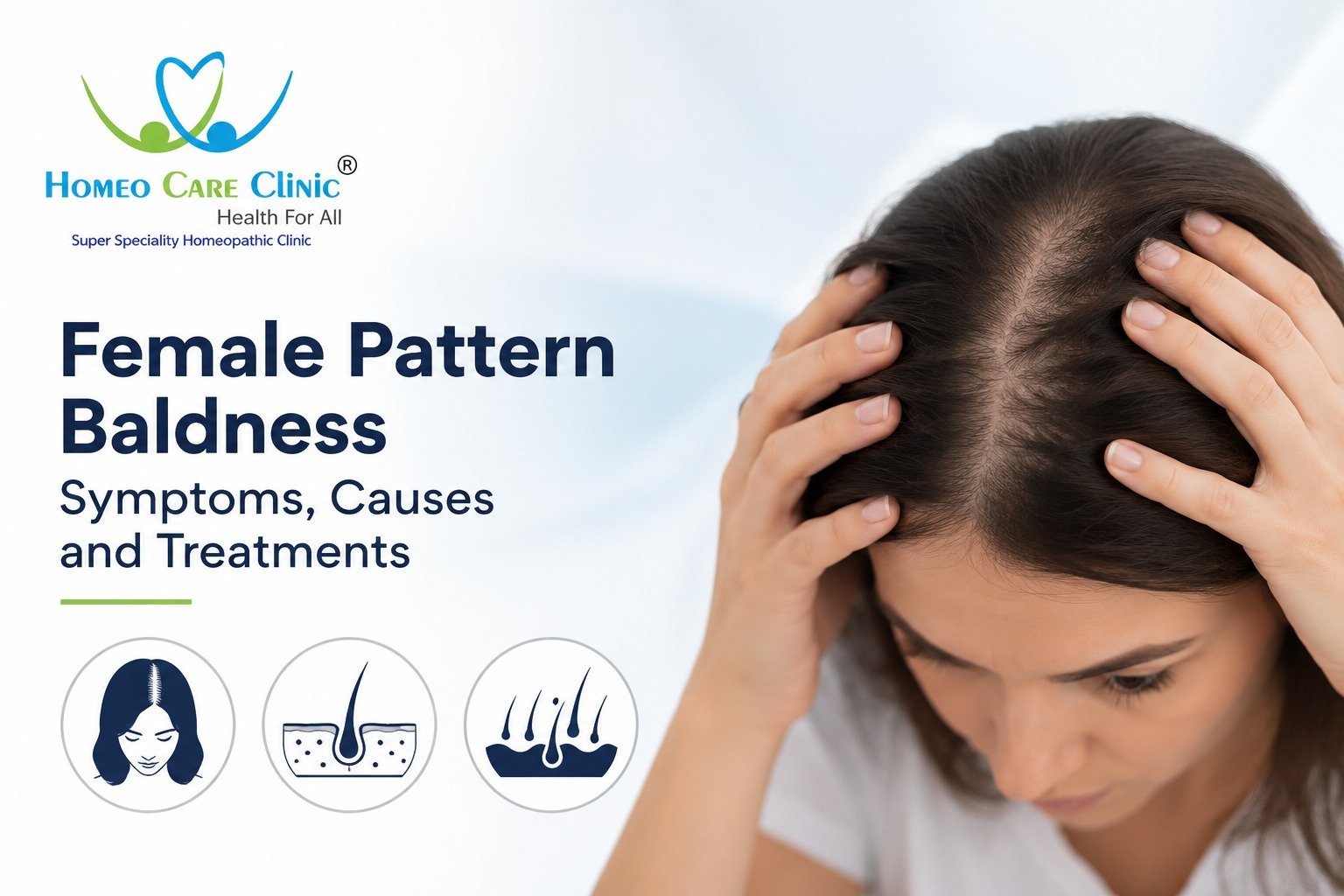
Female Pattern Baldness – Symptoms, Causes, and Treatments
Many people suffer from hair loss without knowing that. Though it is normal to lose some amount of hair per day, too much hair thinning leading to scalp visibility could be a case of female pattern baldness. It can cause anxiety and other health problems if not properly addressed.
We, at Hair PRP Treatment Pune, strive to help our patients learn about the factors contributing to their hair loss and give them advanced treatments for hair regrowth. Today, we’ll talk about female pattern baldness symptoms, causes, its various stages, and how to treat the condition.
What Is Female Pattern Baldness?
Female pattern baldness is an umbrella term used to refer to different types of hair thinning among women. Unlike men, women tend to have gradual hair loss on the top and crown areas rather than having bare spots on the scalp.
As the name suggests, the condition takes time to develop, although it is more likely to occur in middle-aged women or those going through hormonal imbalances or severe stress.
Symptoms of Female Pattern Baldness
Timely identification of symptoms of female pattern baldness is critical in ensuring that treatment begins immediately. Some of the symptoms include:
• Thinning of the hair on the scalp
• Hair partition becoming wider
• Reduced volume of hair
• Increased shedding of hair
• Visibility of scalp around the crown area
• Hair that is weak and thinning
• Slow regrowth of hair
In contrast to hair fall which can occur suddenly, symptoms of female pattern baldness tend to develop gradually. Early diagnosis of hair thinning by a hair specialist can determine its cause.
Causes of Female Pattern Baldness
There are various female pattern baldness causes that result in hair thinning and hair loss.
- Genetics – Hereditary predisposition is among the leading female pattern baldness causes. Women whose families suffer from hair loss conditions are at greater risk of experiencing hair thinning.
- Hormonal Changes – An imbalance in hormones because of menopause, pregnancy, thyroid disorder, or PCOS can adversely affect hair cycles.
- Aging – A natural thinning of hair occurs as people get older, especially during and after menopause.
- Stress – Both physical and psychological stress can cause increased hair shedding and hair thinning.
- Nutritional deficiencies – Hair issues can arise from a lack of sufficient quantities of minerals such as iron, Vitamin D, proteins, and other essential nutrients.
Certain Diseases
The following ailments may cause hair loss:
- Medical diseases
- Autoimmune diseases
- Scalp problems
It is essential to identify the particular cause of hair fall in women to develop the best possible treatment method.
Hair Loss in Women – Female Pattern Baldness Stages
Without proper treatment, female pattern baldness stages can progress over time.
Stage 1 – Slight Hair Fall
Minimal hair falling with slightly widened hair line.
Stage 2 – Hair Loss
Thinning hair around the top section and hairline with hair falling.
Stage 3 – Severe Thinning
The scalp is quite noticeable with severe hair thinning.
Cause of Baldness in Women
Causes of baldness in women could be attributed to various factors since it is rarely caused by a particular factor. Hormonal imbalance, genetics, stress, malnutrition, illnesses, and unhealthy lifestyles could lead to hair loss in women.
Women tend to overlook warning signs of hair loss until they become serious enough. This could make hair restoration treatment more difficult, but seeking professional advice earlier could reveal the cause and facilitate better hair restoration results.
Female Pattern Baldness Treatments
A range of female pattern baldness treatments are currently available to treat various causes and severities of hair loss.
- Platelet Rich Plasma Treatment – This type of hair restoration procedure is considered one of the most effective non-surgical treatments against hair loss. Platelet Rich Plasma treatment uses the patient’s plasma enriched with growth factors to rejuvenate and enhance growth of hair follicles.
- Medication – Doctors may prescribe drugs for hair loss treatment to stop or slow down hair loss process.
- Nutrition Therapy – Improving nutritional deficiencies may be helpful in treating and preventing hair loss.
- Healthy Lifestyle – Avoiding stress and eating healthy food may be helpful against hair loss.
- Hair Transplant – If your case is severe, a hair transplant could help restore hair density.
Our approach at Hair PRP Treatment Pune is personalized and tailored according to your hair health, scalp condition, and the reasons behind the problem.
Benefits of Early Treatment
Here are a few ways early treatment may help:
* Reduce hair thinning
* Increase hair density
* Improve weak hair follicle health
* Support better scalp health
* Boost confidence and looks
Early detection is essential to hair restoration success.
Ways to Avoid Hair Thinning
Although hair thinning cannot always be avoided, you can try:
* Eating a nutritious diet
* Keeping your stress under control
* Limiting heat styling on hair
* Using hair products carefully
* Styling hair without tension
* Maintaining good scalp hygiene
* Going for frequent medical tests
Following these simple rules may help prevent hair thinning.
Conclusion
Female pattern baldness is an issue suffered by many women that may lead to gradual effects on their self-confidence and looks. Recognizing symptoms of female pattern baldness, knowing its causes and seeking medical advice is essential in treating this problem.
Hair PRP Treatment Pune offers innovative treatments that include PRP therapy to aid in hair loss prevention and hair regrowth.
Should you have hair thinning or hair loss problems, seek advice from a professional to find out why this happens and what the best female pattern baldness treatment is.
FAQs
1. What is female pattern baldness?
Female pattern baldness refers to a condition that results in hair thinning, mostly around the crown and hair partition area.
2. What are the common female pattern baldness symptoms?
Common symptoms of female pattern baldness involve hair thinning, hair partition widening, and loss of hair density, increased shedding, and scalp visibility.
3. What are the major causes of female pattern baldness?
Female pattern baldness can be caused by genetics, hormonal imbalance, aging, stress, inadequate nutrient intake, and other illnesses.
4. What is the reason for baldness in females?
Baldness in females may result due to several reasons, including genetics, hormonal changes, stress, inadequate diet, and thyroid problems, among others.
5. What are the female pattern baldness stages?
The female pattern baldness stages involve initial mild hair thinning, moderate hair loss, and advanced hair thinning with exposed scalps.
6. What is the best treatment for female pattern baldness?
The best treatment for female pattern baldness includes treatments based on the individual causes of hair loss, such as PRP, medication, etc.